
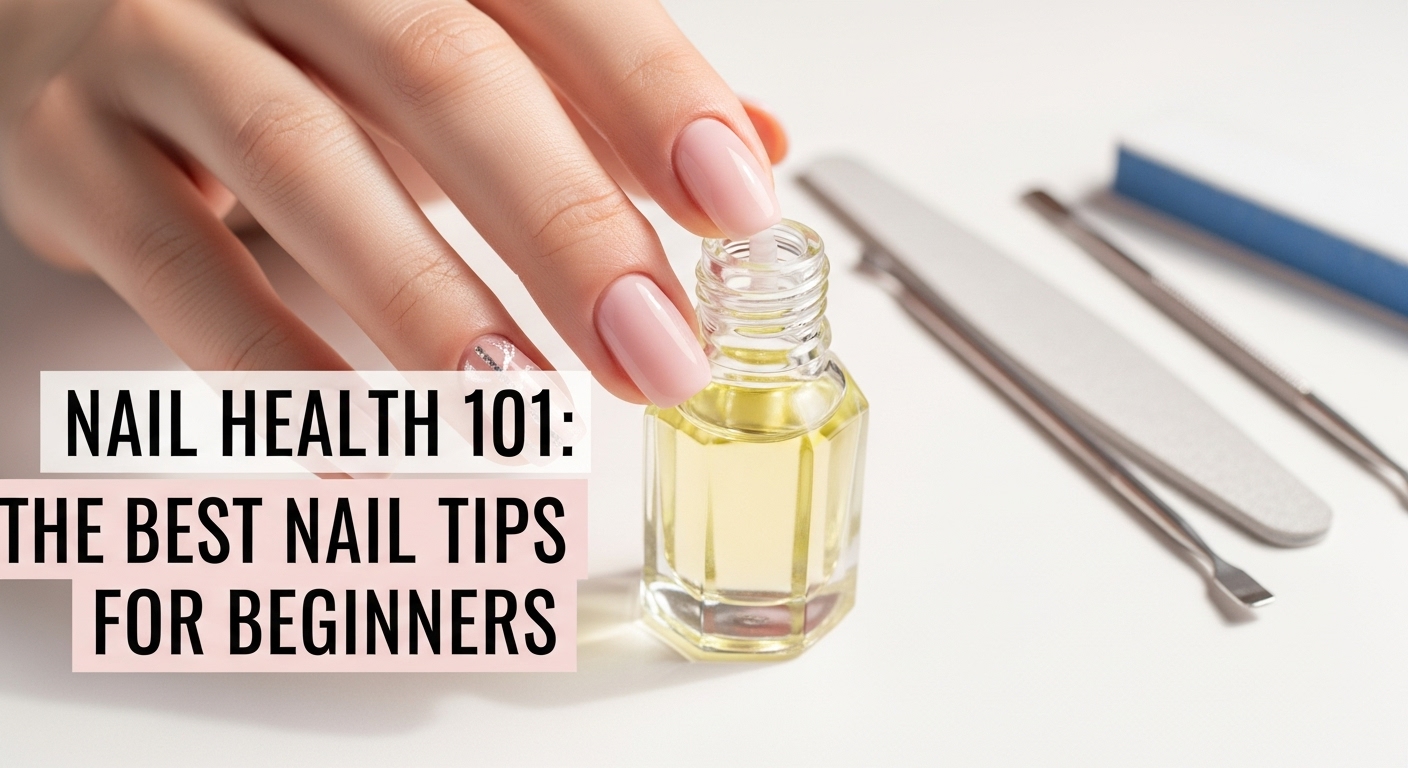

Every morning our team steps into the salon to keep fingers and toes healthy, polished, and pain‑free. We analyze nail conditions, suggest routine care, and apply treatments that reduce breakage and infection. In this post we’ll walk you through the very basics of nail health so you can start taking control right away
What Makes a Nail Healthy?
Nails grow from the nail matrix, a thick pad under the cuticle. When the matrix is nourished, nails become firm and smooth. A healthy nail shows a clean surface, a pinkish base that matches your skin tone, and a uniform thickness.
Key signs of a healthy nail
- Smooth surface, no pits or ridges
- Firm but flexible – not brittle or soft
- No discoloration or thickening
Common Nail Problems to Watch For
| Problem | What It Looks Like | Why It Happens |
|---|---|---|
| Deadly split ends | Long lines that pull apart | Excessive moisture or harsh chemicals |
| Ridged nails | Vertical or horizontal lines | Aging, nutrition gaps, or rapid growth |
| Discoloration | Yellow or brown spots | Fungal infections or exposure to dyes |
| Weak, spongy nails | Nails that bend easily | Poor calcium or protein intake |
| Frequent fungal spots | White, powdery patches | Warm, damp environments |
Recognising these early keeps treatments simple and cheaper.
Essential Daily Steps
- Wash and Dry – Use lukewarm water and mild soap. After washing, pat nails dry; do not rub too hard.
- Trim Straight – Use club or electric clippers. Cut to level with the fingertip, then file gently to soften edges.
- Exfoliate Cuticles – Gently lift with a soft cuticle stick. Avoid cutting them; a small trimming knife is fine.
- Moisturise – A pea‑size drop of hand cream or an oil‑based balm on the nails and cuticles helps keep them supple.
- Protect – Put on gloves during dishwashing or when exposed to harsh chemicals.
Doing it each day costs no more than R20 for a good hand cream and a single set of clippers that lasts a year.
The Best Products for Beginners
| Product | Why It Works | Price (ZAR) |
|---|---|---|
| Garnier Pure & Clean Hand & Nail Cream | Light‑weight, instant moisture | R45 |
| Bumble Bee Nail Brush | Removes built‑up base | R35 |
| Foresight Original 4‑Piece Tool Set | Clean clippers, scissors, file | R100 |
| All‑Nite Nail Cuticle Oil | Contains jojoba & vitamin E | R70 |
| Kohler Nail Polish (base coat) | Builds strength | R30 |
All these items are available at Clicks, Discounter, or 247 in Johannesburg and Cape Town. Look for “nail care” sections; staff can point you to the right choices.
Safe DIY Nail Care vs. Professional Services
| At‑Home | Professional |
|---|---|
| Speed – 7 minutes each day | Quality – A 30‑minute session with a trained technician |
| Cost – R45–R70 material per week | Precision – R150–R250 for a complete manicure |
| Product choice – You pick | Safety – No cross‑infection risk |
| Learning – Build confidence | Support – Free follow‑up tips |
If you notice persistent problems—like nail thinning or severe fungal growth—consider booking a check-up. Regular visits can catch issues before they become costly.
Quick FAQ You’ll Often Hear
No. A balanced diet with fresh fruit keeps nails strong.
Short‑term acrylic is safe, but avoid staying on them for more than a month.
Every 2–3 weeks, depending on growth rate.
Vitamin B12 and zinc are key. Look for multivitamins that contain them.
It might help, but use it only as recommended by a clinician.
Bottom Line
The job of someone caring for nails isn’t just about aesthetics; it’s about health. By following a simple routine, choosing the right tools, and knowing when to seek professional help, you protect your nails from everyday stressors.
South African prices are friendly, and the best part? Your nails will look great and feel strong—without spending a fortune. Ready to start? Grab a pair of clippers, splash some lukewarm water, and give your nails the care they deserve.