
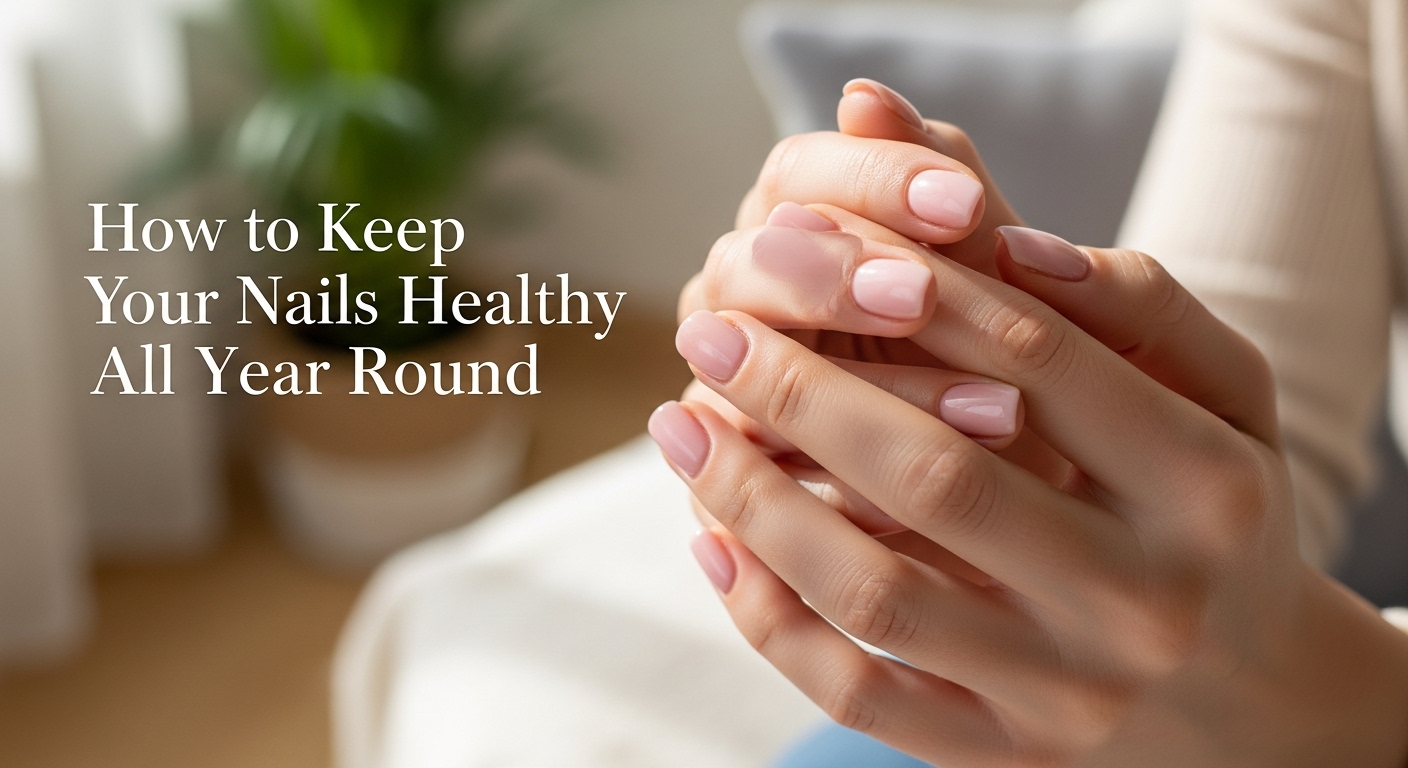

The Daily Life of a Nail Technician in South Africa
Every day, I start my shift at a downtown Johannesburg salon, welcoming clients who want flawless nails, a quick polish, or help with a stubborn cuticle. My job is more than just colour choices—it’s about caring for natural nails and teaching people how to keep them strong, no matter the season. I’ve spent ten years studying nail health, attending workshops in Cape Town, and working with clients from Soweto to the Eastern Cape. This experience gives me a practical, real‑world view of the tools, products, and habits that truly make a difference.
Why South‑African Nails Face Extra Challenges
South Africa’s climate can be hot and dry or cool and moist, and this variation stresses nails differently. The heat of summer can dry out cuticles, while the humidity of the winter months can foster fungal growth. Rain, pollution from Johannesburg’s traffic, and the use of harsh chemicals in household cleaning all take a toll. Knowing these pressures lets us take precise steps to protect nails year round.
Daily Care Steps That Work
- Wash Your Hands and Nails Thoroughly
Begin each morning with warm water and a mild soap. Scrub the nails and the skin around them for about 30 seconds, then rinse. This removes dirt and reduces the chance of infections. - Moisturise with a Dedicated Cream
Apply a light hand cream or cuticle oil. In South Africa, products like Pure Care Cuticle Oil sold at most drugstores are around R52 for a 50 ml bottle. Use it twice a day: once after washing, once before bed. - Trim and File With Care
Use a file that moves in one direction to prevent splitting. Keep nails at a level just above the fingertip for strength. A good nail file costs about R23 at a local beauty store. - Give Nails a Breathing Break
Avoid long exposure to polish or acrylics. If you polish, remove it gently with a non‑acetone cleaner. Let the nail surface have a rest day each week.
Nutrition That Shows Up on Your Nails
What you eat matters just as much as what you put on your nails. Here’s a quick list of nutrients that help:
- Protein (lean meats, beans, nuts) – build the nail’s keratin.
- Vitamin E (butter, sunflower oil) – prevents dryness.
- Biotin (eggs, yogurt, sweet potato) – improves nail thickness.
South African supermarkets carry these staples at affordable prices: a dozen eggs is about R16, a jar of peanut butter R52, and a bag of brown rice R33. Adding a simple multivitamin at R70 can give a nice boost if needed.
Clean Tools Are a Must
Stale tools harbour germs that cause nail damage. Keep your set in a sealed bag, and disinfect with alcohol (70 % solution, R40 for a 100 ml bottle). Replace chipped files and broken buffers every month.
Professional Treatments When You Need Them
If your nails show signs of damage—thinning, cracking, or persistent fungal issues—consider a treatment. In a licensed salon, a basic nail repair session averages R90, while a full hand repair (including cuts on the nail bed) can be about R159. These jobs cost more because they involve specialized tools and higher skill levels.
Adapting to Seasonal Shifts
- Summer (December to February):
Hydrate more often. Carry a small bottle of cuticle oil to touch‑up when your nails start looking brittle. - Winter (June to August):
Protect nails from excess moisture. Use a thicker hand cream because cold air tends to dry skin rapidly. Avoid leaving wet gloves on too long.
Quick FAQ for South‑African Clients
Around R200 for basic tools and creams is enough for most people.
Yes, but choose a gentle, moisturizing one to avoid stripping oil.
Check beauty sections at Woolworths or Pick ‘n Pay; they usually offer a good range
Bottom Line
Keeping nails healthy all year is a blend of simple daily habits, good nutrition, and smart product choices. Because my work in Johannesburg involves working with a wide variety of clients, I’ve seen firsthand how a few tweaks can keep nails looking and feeling great, no matter what the weather throws at them. Take these steps, adjust them to your lifestyle, and you’ll enjoy strong, beautiful nails all year long.