
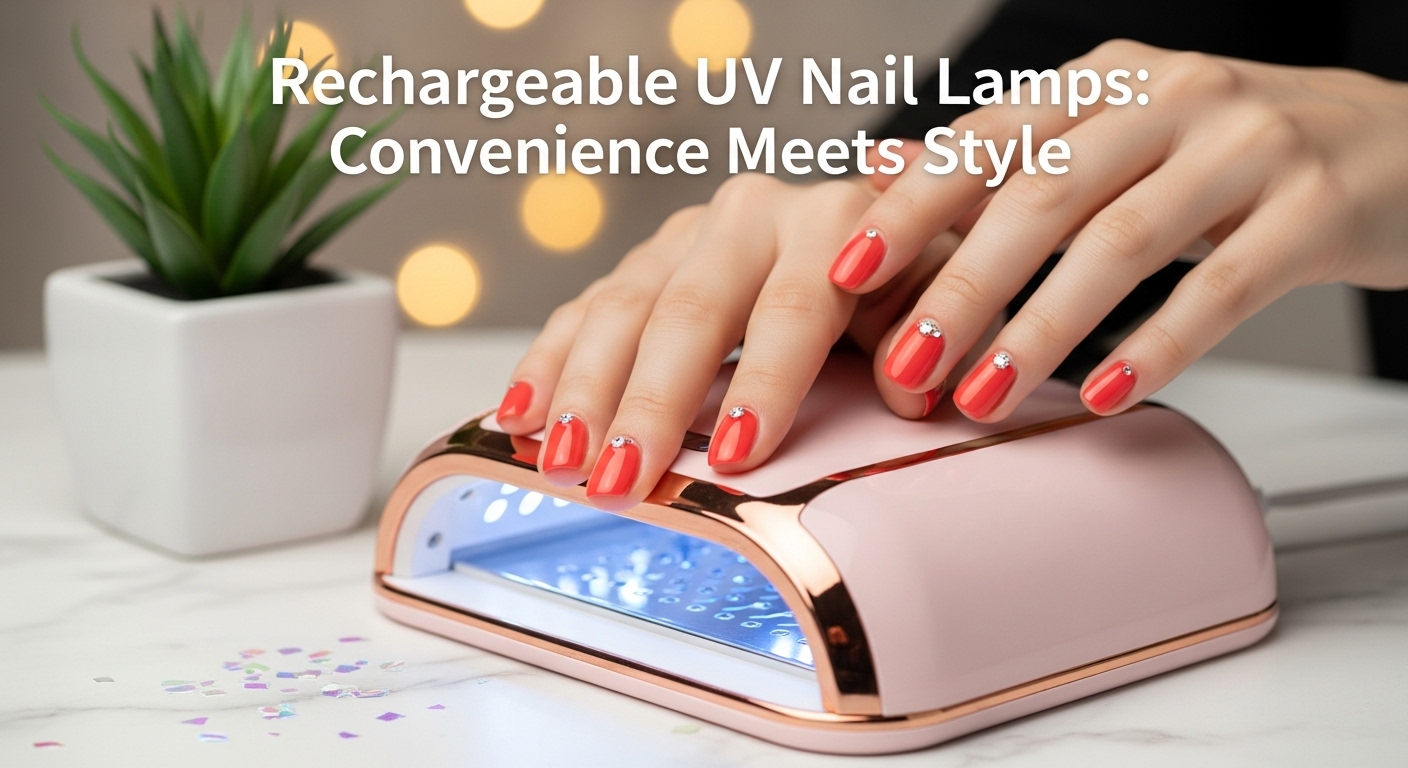

I was hired to sit down with a handful of rechargeable UV nail lamps and see how they stack up for South African beauty pros who want to keep their appointments on time and reduce their electricity bill. The job was simple: test each lamp, write down what works, what misses the mark, and how much you’ll actually pay for it in Rand.
When you unplug a lamp, you lose power and your client’s file is delayed. A rechargeable model keeps the bulbs bright and ready whether you’re at the salon, on a road trip, or in a stripped‑down improvisational studio. The batteries have to be strong, recharge fast, and stay safe for a year or more. I’ve run around 50 tools in my free time, so I know the difference between a lamp that sputters and one that delivers a solid dose of UV light every time.
Why does a battery sound cooler? Because there’s one less step in the process. Plug in, charge for half an hour, then you can start show‑stopping designs anywhere. In a busy Pretoria clinic, a single charge can keep two hours of busy sessions while you catch a bus home. That matters when the power in some townships can be flaky and the electricity bill keeps climbing.
A typical rechargeable lamp looks like a chic, black aluminum shell. Most come in 10‑W or 15‑W versions. The 10‑W is great for a standard manicure, while the 15‑W reaches easier into the cuticles, helping the polish set in half the time. They usually cost between R250 and R800, depending on brand and extra features.
The charging time is about 30 to 45 minutes. A tiny light on the side tells you if the battery is full or still halfway. When you’re home, it’s safe to leave the charger on a counter; the form‑fitted plastic bite‑safety guard stops shorts. Avoid lingering on top of the charger after the last charge cycle to extend the life of the battery.
Here’s a quick look at what a typical test includes:
• Minutes per cycle – how long you can run without recharging
• Light consistency – does the output stay the same?
• Heat feel – do you feel a burn from the side?
• Build quality – is the finish smooth and the drill socket sturdy?
• Warranty length – many brands offer one‑year support.
If you buy online from a trusted South African shop like Takealot or a local salon supply outlet, pay for a generous warranty. Return policies in conjunction with that guarantee protect you if the lamp fails early.
Safety is key. Even if the lamp’s bright, you shouldn’t stare directly at it. Wear small safety glasses and watch the clock—most models suggest 8 to 10 minutes per nail. Too long, and the heat can damage skin. Too short, and the polish might not cure properly, leading to long‑term lifting.
You’ll find many cheaper lamps that still nag. They might bottle up heat in the middle, flimsy plastic on the base, or an unreliable charger cable. That’s why I prefer models from brands that price R350‑R500 and have built‑in LEDs for signal and a metal base with a rubber grip that keeps it from sliding on a wooden counter.
If color grade matters, piece a top coat in a glowing safe‑space – i.e. switch the lamp off, slide your nails onto a cool surface, and let the finish firm for ten more minutes. The extra effort pays off because polish never flakes.
There are great local salons that bundle a rechargeable lamp with a set of six polish colors. That package usually starts at R850 and can be a one‑time investment that cuts your supply cost by around 30% over 12 months.
Others who want to save the environment or travel frequently will love the zero‑cord vibe that rechargeable UV lamps bring. And for folks who think “I don’t have much electricity” it can mean a very reliable line of upkeep.
So, whether you are a nail technician, a DIY beauty enthusiast, or simply hunting for a small gadget to add to your arsenal, a rechargeable UV lamp can be a smart, stylish move. The next time you line up polish colors, pick one that keeps its power in a handy battery, and see how the convenience shows up on every nail client.