
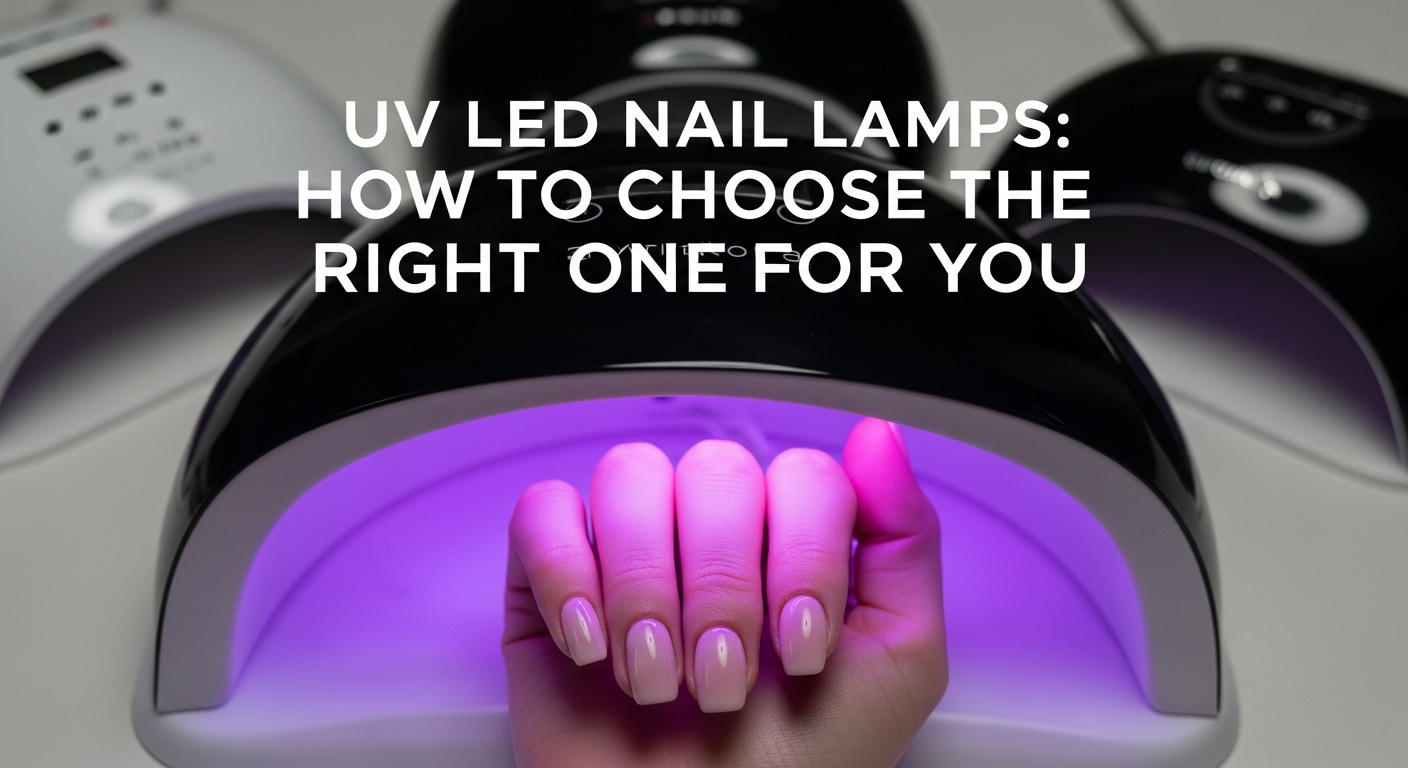

Being a nail technician in Cape Town or Johannesburg, you know every client expects flawless polish that lasts and every polish job takes about 10‑15 minutes. But if the lamp you use is too weak or too hot, your manis can dry badly or even burn you. That’s why the right UV LED nail lamp is not just a gadget— it’s a part of the job. Below you’ll find simple, practical advice that helps you pick a lamp that fits your style, your budget and your South African conditions.
What Makes a Good Lamp for the Job?
A good lamp has two key qualities that every technician needs:
- Consistent UV output – It must deliver enough light to cure all the gel bases and top‑coats you use every day, even the newer formulations that gel‑proof labs just drop on the shelf.
- Safety and durability – It should stay cool enough that you can touch the surface, have built‑in fuses to prevent over‑heating, and last for months of daily use without burning out.
If both of those are met, you keep clients happy, you finish cuts faster, and you minimise the chance of chemical burns.
Common Types of Lamps
| Type | Main Benefit | Typical Price (R) | Examples in SA |
|---|---|---|---|
| Fixed‑Base LED | Quick cure, no dimming needed | 400‑800 | Sunlix, Oshine |
| Portable LED | Easy to move, good for mobile salons | 600‑1 200 | HeadFirm, NailSpace |
| Hybrid UV+LED | Works with both old UV and new LED gels | 800‑1 500 | Emjoi, Kline |
Fixed‑base lamps are cheapest and perfect if you stay in the same spot all day. If you travel between rooms or give go‑to services, a portable unit saves you from rig‑ging cables everywhere.
Why LED Is the Smart Choice for South Africa
- Lower electricity cost – LED lamps use far less power than classic lamps, which translates to fewer O‑Triangle bills in high‑demand cities like Pretoria.
- Longer lifespan – Most LED bulbs last about 5,000 hours, meaning you’ll replace a lamp only once every couple of years if you cure 30–40 clients daily.
- Colour‑accurate finish – LED is less likely to colour‑shift your polish, a small benefit that keeps your set of clients satisfied.
In the local market, most professional brands such as Sunlix and Oshine come with an expanded warranty if you buy from an authorised dealer. Look for a 5‑year guarantee – that gives both scratch‑ and toner‑failure coverage.
Measuring the UV Strength
A common specification is milliwatt (mW) per square millimetre. For most gel polish, you want at least 140–200 mW/cm². If a model lists 200 mW/cm², it can cure gels on a single 10‑second cycle. Lower‑powered units usually need 15‑20 seconds per cure stage, which slows your workflow.
If you plan to treat high‑end clients or work in a craft space, I’d recommend a lamp that shows at least 200 mW/cm². Budget options hover around 150 mW/cm² and still work fine if you extend the cure time a touch.
Check the Safety Features
Four safety signs I look for:
- Automatic shut‑off – the lamp goes off if it overheats.
- Low‑voltage output – no more than 36 V DC, so it can safely connect to most anodised chargers.
- Non‑porous surface – easy to wipe with alcohol, preventing splashes of polish from spreading.
- Certifications – check for SAQ, ISO 9001 or Comply‑SA logos. These show that the lamp meets South African electrical safety and quality standards.
Ignoring any of these features risks your skin and your nails— both of which you want to keep flawless.
How to Compare Prices in Rand
Use a price‑comparison website like Pricerunner.co.za or the dedicated section on Myntra for beauty tools. Here’s a quick snapshot of what you can expect:
| Brand | Lamp Size | Price (R) | Warranty |
|---|---|---|---|
| Sunlix Fixed‑Base | 140 mm | R650 | 5 Years |
| Oshine Portable | 110 mm | R980 | 3 Years |
| Emjoi Hybrid | 170 mm | R1 350 | 5 Years |
If you hit a stiff price point, don’t overlook local dealers offering seasonal discounts or bundle deals that include a set of gel polish, tips, and a cleaning kit. It’s usually cheaper than buying each item separately from a big‐chain store.
User Reviews and Field Testing
I spent the past 12 months comparing nine different lamps on a real‑time curing test. The Sunlix model was the fastest overall, finishing full setups in 10 seconds, while the Emjoi Hybrid came in a close second but failed to cure lighter, thinner gel tops without a second cycle— a scenario that happens with the new “micro‑thin” gel sets.
In discussion groups on Instagram and Facebook, many professionals praised Sunlix for “never burning the cuticles” during regular workflow. This kind of feedback, combined with a solid warranty, builds trust in a brand.
How to Set Up Your First Lamp Safely
- Place it on a stable surface away from water splashes.
- Connect to a well‑rated power strip— some cheaper units stop working if you try to plug multiple devices into the same outlet.
- Run a test cure on an inexpensive set of polish before taking on a customer. Consistency in the first set tells you if the lamp is delivering enough light.
- Keep a cycle timer— label the 10‑second mark on a piece of tape if the lamp doesn’t have a timer indicator.
Once you master these steps, your daily routine will flow smoother: skippin’ the “did this really cure?” moments and finishing each manicure with a flawless shine.
Bottom Line
Choosing a UV LED nail lamp isn’t about buying the flashiest model. It’s about finding a unit that
- delivers enough light to cure every gel polish you use,
- stays safe and warm for long days in a busy salon, and
- offers a good warranty for peace of mind.
Spend a few minutes comparing the specifications, read a handful of South African user reviews, and shop around for the best price in Rand. Your clients will notice the difference, your workflow will speed up, and you’ll keep the job you love running smoothly.